

Industry Insights.
Perspectives, analysis, and guidance shaped by the work we do every day across teams, industries, and evolving talent needs.

Bank Succession Planning Beyond the CEO
Most banks have a plan for the CEO seat. The roles that run the institution day to day are a different story. Here is what the data shows about where the real succession gap sits and what the banks closing it are doing differently.
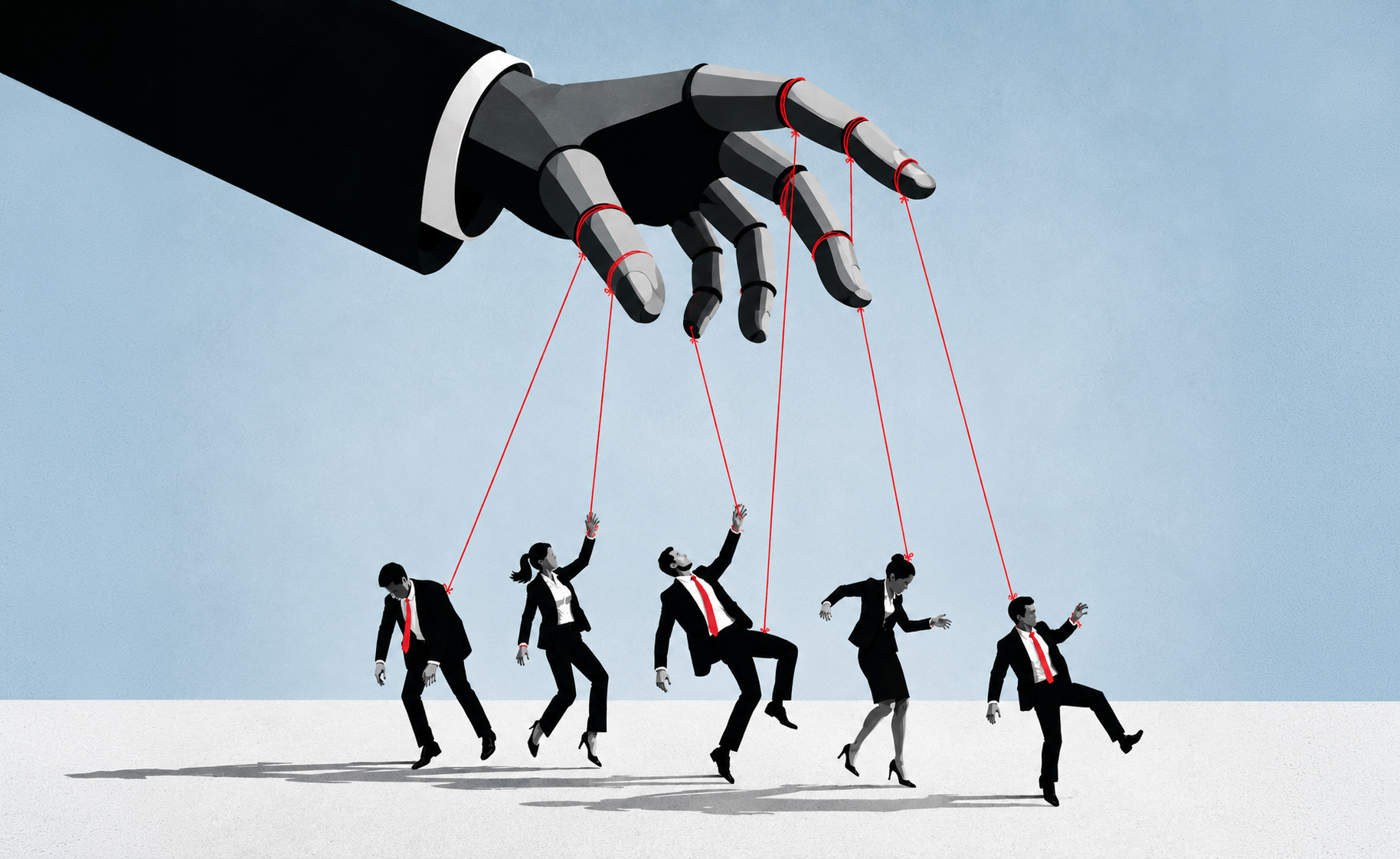
What Happens When Companies Give AI Too Much Control Over Hiring and Job Cuts
Over 100,000 U.S. jobs were cut in the name of AI efficiency in the first half of this year alone. The returns companies announced when they made those cuts largely have not materialized, and a growing number of organizations are quietly trying to rehire what they let go.

Small Business Bankers Are on the Move: Is Your Bank Ready to Hire Them?
Small business bankers are becoming harder to keep, and their client relationships often move with them when they go. Here is what is driving the market and what it takes for a bank to compete for this talent.

Why Your Next Best Hire Is Already Employed Somewhere Else
Most qualified professionals aren't actively job searching, especially at the senior and executive level. Job postings and applicant tracking systems mainly reach active job seekers, a smaller and more competitive pool. Here is why passive candidates outperform applicants, and what it actually takes to reach them.

Why Companies Cutting Entry-Level Roles May Regret It Later
Most companies treating entry-level hiring cuts as a cost-saving decision are not accounting for what those roles were actually building. The junior hire you pass on today is the senior leader you cannot find in 2030. Here is what the data shows and what the organizations getting this right are doing differently.

The AI Data Center Boom Is Rewriting the Engineering and Construction Job Market
The AI data center buildout is generating more engineering and construction jobs than almost any other force in the current market. Civil engineers, MEP teams, and commercial construction professionals are at the center of it, and the window to get on the right projects is open right now.

Where Construction Pay Is Rising Fastest in 2026
Construction pay isn't rising evenly in 2026. It is concentrating around AI infrastructure, where a massive data center buildout is driving a 32% pay premium for skilled trades. From six-figure electrician salaries in Texas to the talent drain affecting the Sioux Empire, this guide explores why the wage gap is widening and how employers must adjust their recruiting strategy to compete.

Why Hiring Takes So Long in 2026 (And What It's Costing You)
The average time to hire has jumped from 29 days to 48 days since 2023. Even with application volume doubling, completed hires are down 20 percent. This guide explores the 2026 hiring paradox. We look at why organizational indecision and AI noise are stalling your growth and how the best companies are compressing their timelines to land top talent before the competition.

The Real Reason Gen Z Employees Quit
Gen Z confidence in the workplace has plummeted from 59% to 39% in just one year. This isn't just a generational trend—it’s a measurable shift in how early-career professionals view success. From unstructured onboarding to a lack of feedback, discover the real reasons behind the spike in 90 day turnover and how your hiring process can fix it.

How AI Is Changing Legal Hiring in 2026
AI is no longer experimental in the legal field. It is operational. With 70 percent of attorneys using AI weekly, the traditional law firm pyramid model is compressing. From the rise of legal operations specialists to the decline of massive junior associate classes, learn how AI is changing who law firms hire and the specific skills that define the top tier of legal talent in 2026.

The 2026 Accounting Salary Landscape
How does accounting salary vary in 2026? This analysis breaks down national benchmarks, CPA salary premiums, geographic differences, and compensation ranges by experience level to help employers and professionals navigate today’s market.

Solving the Job Bait and Switch Crisis with Better Hiring
Few things damage trust faster than accepting a role and realizing it is not what was discussed. Job bait and switch, from inflated titles to misleading salary ranges and shifting flexibility policies, is driving early attrition. Here’s where misalignment begins and how both candidates and employers can prevent it.

The Talent Trends That Will Shape Hiring in 2026
In 2026, hiring mistakes will be harder to hide and more expensive to fix. Volume will lose its shine. Technology will stop being the strategy. And hiring itself will become evidence of how an organization actually operates. These are the talent trends already reshaping how serious companies approach growth.

Relationship Banking in a Multi-Banked World
In commercial banking, relationships rarely break in a dramatic moment. They break slowly. A client starts waiting longer for answers, and small delays become a pattern. By the time the bank notices, the most profitable parts of the relationship, deposits and FX, have often already moved.
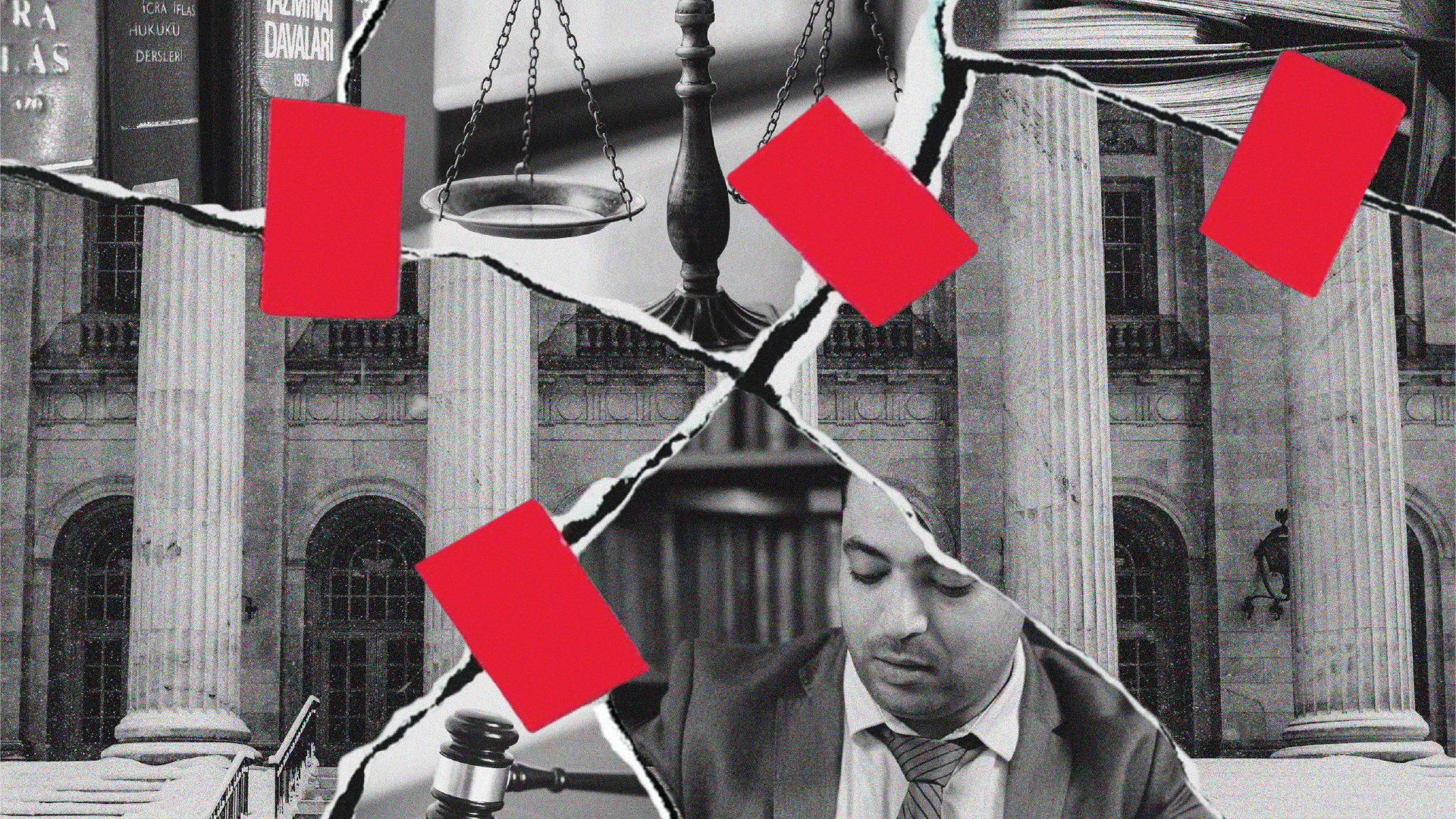
The Hiring Illusion Law Firms Can’t See in 2026
Law firm hiring has become a strategic risk. As specialization increases across the legal industry, lateral hiring decisions now directly affect leverage, productivity, client teams, and firm stability. Understanding integration risk, system dependency, and hiring process design is now critical to successful law firm growth.

When Not Moving Up Means Moving Forward
More professionals are rethinking what real career progress looks like. In a changing economy, staying in the same role can be a strategic move rather than a setback. This blog explores why many mid-career employees are choosing stability, how intentional stillness can fuel growth, and what it takes to stay competitive even when you stay put.

The Influence Economy
Influence is the new currency of success. More than skill or experience, it determines who earns trust and drives change. The professionals who build credibility, connection, and visibility are shaping the future of work, and the organizations that recognize influence as a strategic advantage are the ones poised to grow fastest.

The Human Edge in Bank Mergers
Community bank mergers are accelerating as institutions adapt to rising costs and competitive pressures. But success depends less on assets acquired and more on how teams integrate, communicate, and lead through change.

Navigating Insurance’s New Talent
Independent professionals are now a permanent part of the insurance workforce, filling roles across claims, underwriting, and operations. As insurers rely more on contingent talent, the challenge is shifting from hiring to leadership. Those that build structure, visibility, and trust around flexible work will be better positioned to scale efficiently and protect compliance across every function.

When Job Descriptions Confine Talent
Job descriptions are outdated. The most successful teams hire for skills, adaptability, and outcomes — not checklists. Skills-based hiring is redefining the future of work, and recruiters are leading the shift. Here’s how modern organizations are building impact-driven roles that evolve with business needs.