
The Infinite Workday Is Worse Than Ever
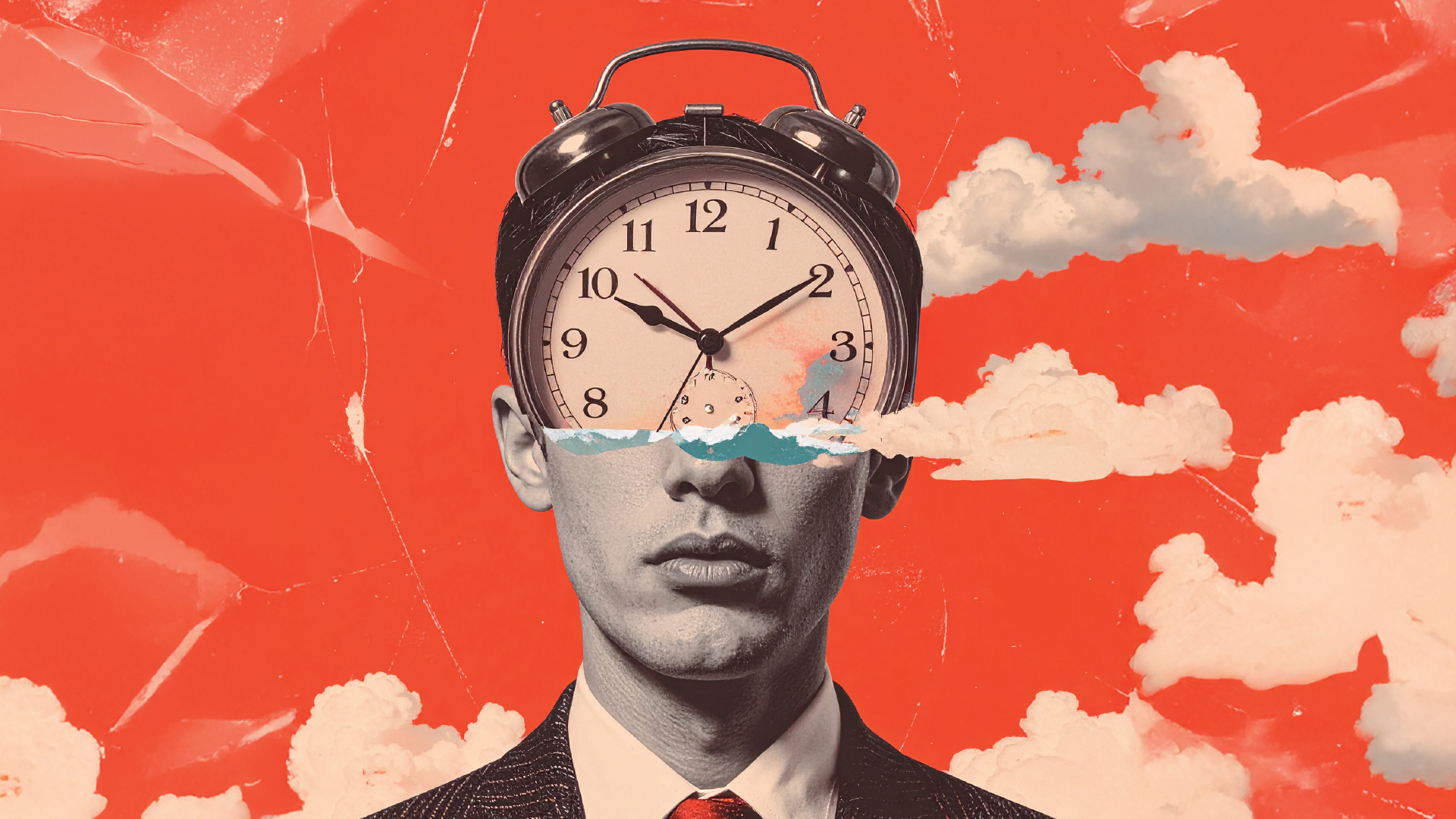
The boundaries of work have quietly dissolved. What began as digital flexibility has shifted into something far more consuming—a schedule with no real off switch. Microsoft’s 2025 Work Trend Index confirms what many professionals already experience. The workday no longer ends when it used to. In some cases, it never really ends at all.
The report describes a new pattern emerging across industries: the “triple peak day.” Productivity surges mid-morning, again in the late afternoon, and once more around 9 p.m. That final wave isn’t driven by creativity or choice. It’s a symptom of displacement. Meetings, messages, and interruptions fill the core of the day. Actual work gets pushed into the margins.
Work That Spills Into Every Hour
According to the report, 40 percent of professionals check email before 6 a.m., and nearly 30 percent are back online by 10 p.m. Evening meetings are up 16 percent year over year. This is not sustainable. It’s routine that has quietly become normalized, and deeply embedded.
Workers now receive an average of 117 emails and 153 chat messages daily. Interruptions come every few minutes. With so much reactive work happening throughout the day, focused work is pushed into personal time. For many, the real workday begins only after the scheduled one ends.
A Crisis of Time and Trust
The erosion of time boundaries has serious cultural consequences. A recent survey by Deloitte found that 46 percent of Gen Z and 39 percent of Millennials feel burned out due to their work environment. Among full-time workers, over half report working outside of regular hours at least once a week. Many say they feel pressure to stay constantly available, whether it’s explicitly required or not.
This pressure doesn’t stem from poor planning. It stems from systems that reward responsiveness over clarity, and from leadership that remains silent about what good boundaries should look like.
When professionals don’t feel in control of their time, they start to question more than just their calendars. They question the culture. They lose trust.
What Leadership Needs to Do
The most forward-looking firms are not addressing this through time management workshops or digital detox challenges. They are making structural changes:
Reducing communication volume and meeting load across teams
Defining availability expectations clearly, especially across time zones
Creating uninterrupted time blocks for deep work
Training managers to respect team capacity
These choices signal more than efficiency. They reinforce trust, accountability, and care. They protect people from burnout and restore a sense of agency in their work.
The Most Valuable Resource Is Time
Productivity gains will always matter. But they can’t come at the expense of long-term engagement or well-being. When a workday stretches across 14 hours, scattered between pings, replies, and late-night catch-up, the message is clear. Time is not being valued.
Companies that recognize this, and make moves to prevent it, will be the ones that retain their best people. Not because they offer flexibility, but because they create environments where people can do their best work within realistic, human boundaries.
Sources
Microsoft. "Breaking Down the Infinite Workday." Microsoft WorkLab, 17 June 2025. www.microsoft.com/en-us/worklab/work-trend-index/breaking-down-infinite-workday.
Deloitte. "2025 Gen Z and Millennial Survey." Deloitte, www.deloitte.com/us/en/insights/topics/talent/2025-gen-z-millennial-survey.html.
Zaza, Jenna. "'I Feel Completely Drained': Young Professionals Swamped by 'Infinite Workdays'." The Guardian, 22 June 2025. www.theguardian.com/money/2025/jun/22/young-professionals-infinite-workdays.
